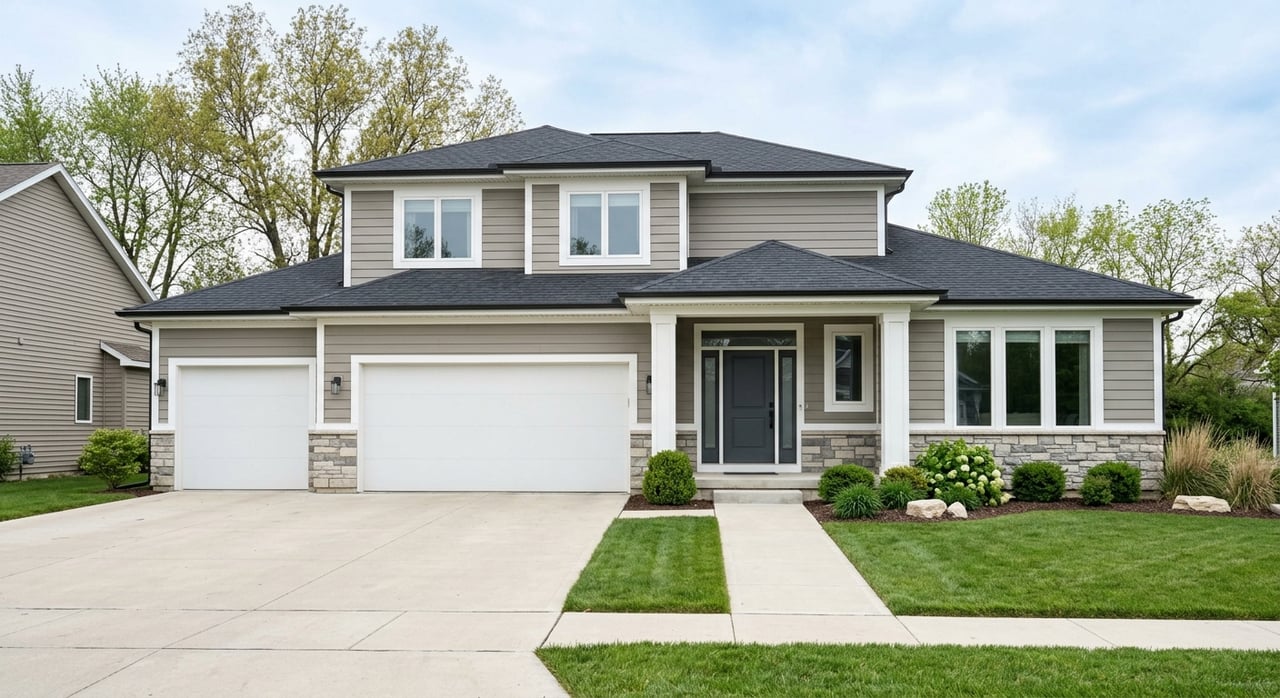
Thinking about moving to Waukee from another state? You are not alone. Waukee has become a popular landing spot for buyers who want suburban growth, access to Des Moines, and a range of housing options, but an out-of-state move can still feel like a lot to manage. The good news is that with the right plan, you can make smart decisions before, during, and after your move. Let’s break it down step by step.
Why Waukee draws out-of-state buyers
Waukee sits west of Des Moines in Dallas County, and city information says it is about 15 minutes from downtown Des Moines with access to key transportation lines. That kind of location matters when you want a community feel without giving up convenience.
Waukee is also growing quickly. The city’s 2024 special census reported a population of 31,823, up from 23,940 in the 2020 Census. City materials describe Waukee as the fastest-growing large city in Iowa, which helps explain why so many buyers relocating to the Des Moines metro start their search here.
Beyond location and growth, Waukee offers amenities that matter when you are building a new routine. City materials highlight 25 miles of trails, parks, and community spaces such as Triumph Park. For many buyers, that mix of access, amenities, and newer development makes Waukee worth a closer look.
Start with budget and timing
Before you look at homes, get clear on what your move needs to look like on paper. That means thinking about your monthly payment, your down payment, your closing costs, and your moving timeline.
A smart budget includes more than principal and interest. You also need to plan for property taxes, homeowners insurance, and any HOA dues that may apply. Closing costs typically run about 2% to 5% of the purchase price, so that number should be part of your upfront planning from day one.
This is also the time to decide how your move will happen. Many people moving from one home to another try to sell first before buying again. Depending on your job start date, lease timing, or current home sale, your move may fall into one of these paths:
- Sale-first: sell your current home, then buy in Waukee
- Buy-first: buy in Waukee before your current home sells
- Overlap move: carry both homes for a short period during the transition
Each option affects your cash flow, stress level, and flexibility. If you are relocating on a deadline, it helps to make that decision early instead of adjusting mid-search.
Build your local team early
When you are buying from out of state, the process works best when you have trusted people on the ground. You should not have to figure out every detail alone from a different time zone.
A strong relocation plan usually includes a local buyer’s agent, lender, inspector, and title team. That local support matters because homes, inspections, deadlines, and closing details keep moving even while you are still packing in another state.
This is where a high-touch agent can make a real difference. Adam Bugbee works with relocation buyers and sight-unseen purchases in the Des Moines metro, including Waukee, and helps keep the process practical, organized, and responsive.
Shortlist Waukee homes remotely
You do not always need to visit Waukee before you buy, but you do need a reliable remote process. Virtual tours can help you explore homes from anywhere, and floor plans and detailed property notes can fill in gaps that photos alone may miss.
As you narrow your list, focus on how each home fits your daily life. Look at commute routes, neighborhood location, lot style, and whether the property is resale or new construction. In Waukee, both resale and new-build options are part of the market, so it helps to compare them side by side.
Recent market snapshots suggest you should still come in with a plan. Zillow reported an average Waukee home value of $342,248 as of April 30, 2026, with homes going pending in around 31 days. Realtor.com described Waukee as a balanced market in March 2026 and reported a median listing price of $414,994, which points to a market that still rewards realistic budgeting and preparation.
Consider new construction in Waukee
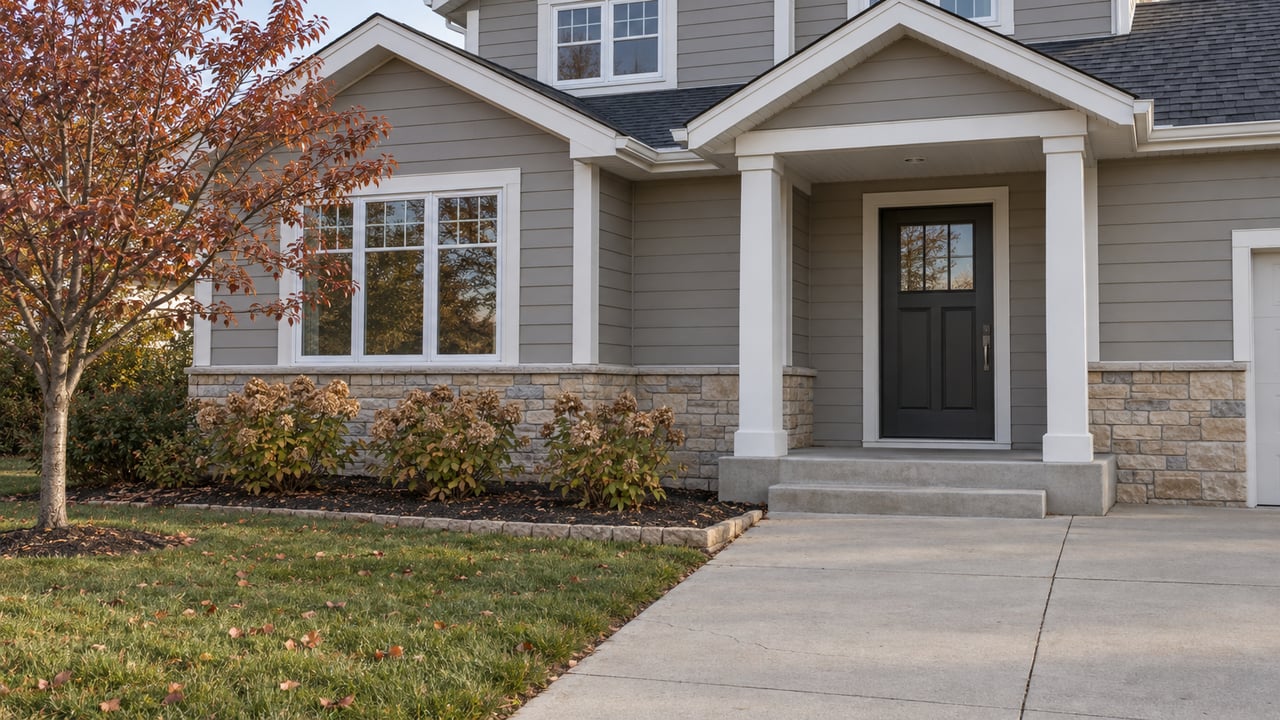
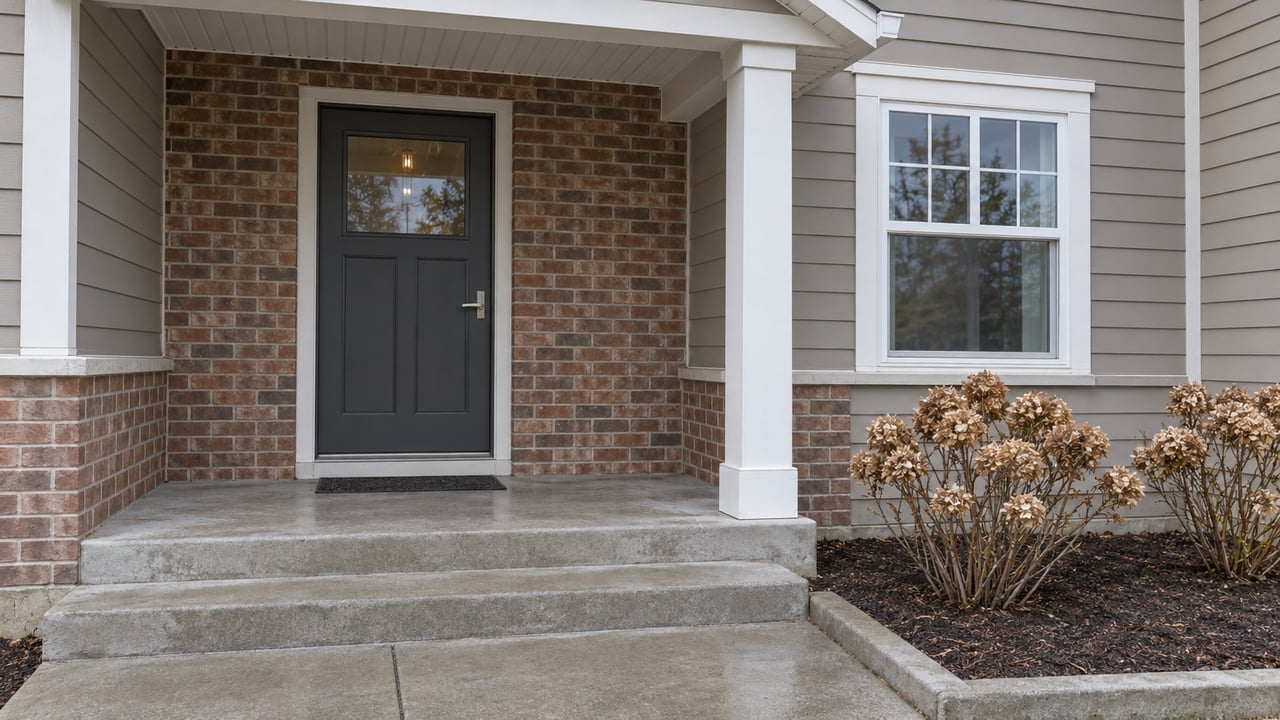
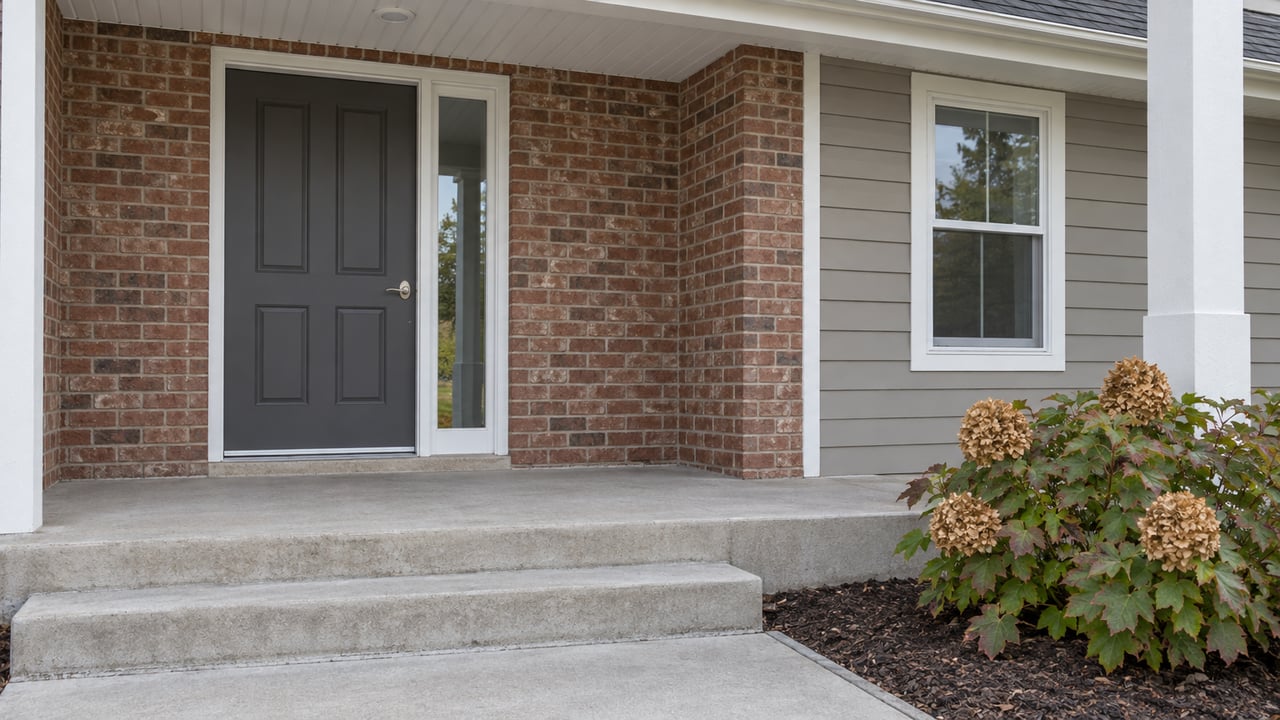
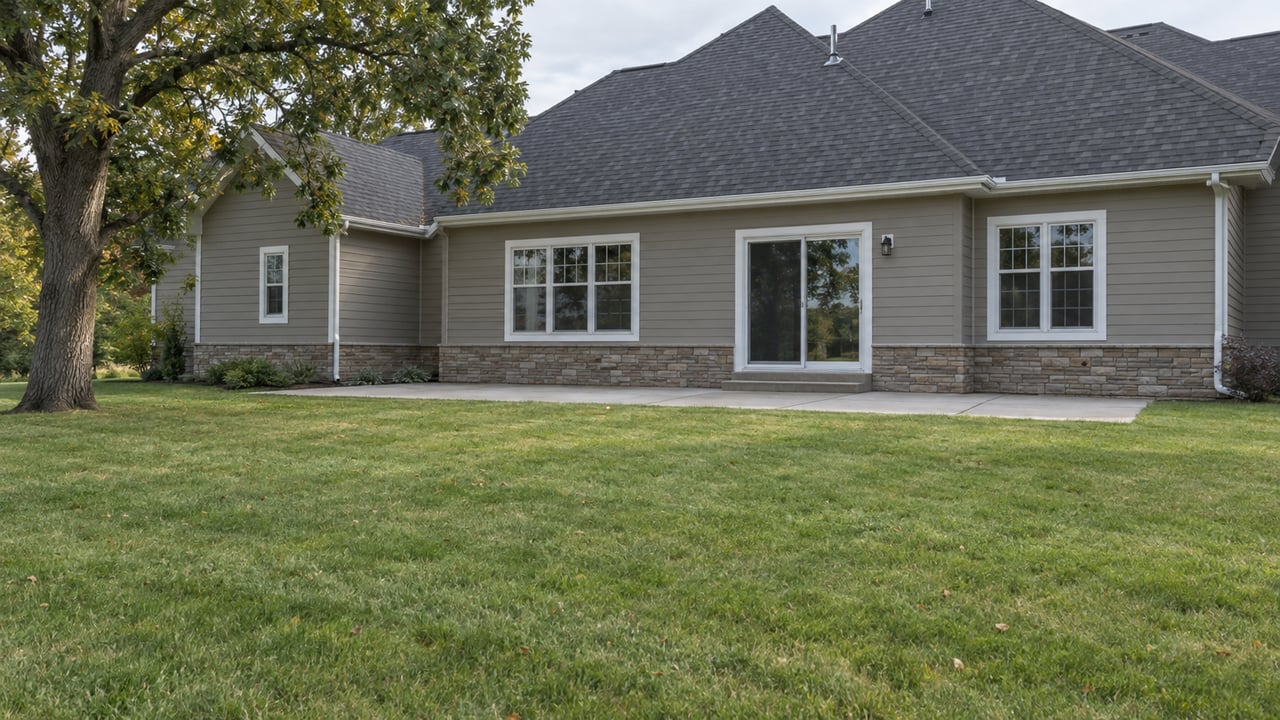
If you are relocating from out of state, new construction may deserve a spot on your list. Waukee has continued development activity, and city permit reports showed 208 permits in October 2025, 164 in November 2025, and 95 in December 2025.
The city also points to ongoing development in areas such as Kettlestone and the Hickman Road corridor. That means buyers may find opportunities in communities that are still taking shape, which can be appealing if you want newer finishes, builder warranties, or more inventory choices.
New construction also comes with its own decisions. You may need to compare lot premiums, upgrade costs, completion timelines, and tax estimates that have not fully caught up yet. If you are considering a builder home, having someone who understands new-construction consulting can help you avoid expensive surprises.
Learn the local school and activity picture
If school access or youth activities are part of your move, Waukee offers a lot to review. The Waukee Community School District says it operated 18 schools in the 2024-25 school year.
The district also reports before-school, after-school, and summer child care in elementary schools and preschool. It says about 75% of students participate in at least one activity, and its APEX program at the Waukee Innovation and Learning Center gives juniors and seniors career-focused coursework tied to local workforce trends.
As you compare homes, it is helpful to confirm attendance boundaries and commute routines in addition to home features. For many relocation buyers, that practical planning matters just as much as square footage.
Inspect early and leave room for repairs
Once you are under contract, move quickly on inspection. An inspection gives you an independent look at the home’s condition, and it is especially important when you cannot easily drive back for another showing.
A home inspection is different from an appraisal. In most transactions, you will need both. The inspection helps you understand the property’s condition, while the appraisal supports the lender’s valuation process.
If the inspection uncovers serious issues, that information gives you a chance to reassess before closing. For out-of-state buyers, this step is not just a formality. It is one of the main ways you protect your budget and avoid taking on repairs you did not expect.
Prepare for a remote closing
Closing from out of state takes coordination, but it can be manageable when everyone is aligned. You should receive your Closing Disclosure at least three business days before closing, which gives you time to review the final numbers carefully.
In Iowa, remote online notarization is allowed through approved technology and registered notaries. That can make an out-of-state closing possible if your lender and title company support that process.
Even if your closing can happen remotely, do not treat it like an afterthought. Review each number, confirm your signing process, and make sure everyone knows the schedule well before closing week.
Verify funds and complete the final walk-through
The last few days before closing are important. This is when buyers are often busiest, and it is also when mistakes and scams can happen.
Always verify wiring instructions through trusted contacts, not through a last-minute email update. Mortgage closing scams often target buyers right before closing, so it is worth slowing down and confirming every detail.
You should also complete a final walk-through before signing. This is your chance to confirm agreed repairs are done and that the home includes the items that were supposed to stay. If you are still out of state, having your local agent present for that step can provide real peace of mind.
Plan your move-in tasks now
The closing is not the end of your relocation checklist. Your first week in Waukee will go more smoothly if you handle city and utility setup before you arrive.
Waukee’s New Residents information points to a resident checklist and important city contacts. The city says the utility bill covers water, sanitary sewer, stormwater, garbage, recycling, and yard waste. Property owners need a $50 water-service deposit, while renters need $100.
Natural gas is a separate move-in task. Waukee says MidAmerican Energy took over natural-gas service and billing on October 22, 2025, so you will want to make sure that service is set up separately.
Trash service is another detail worth handling early. Garbage and recycling are provided by Ankeny Sanitation Monday through Friday, and yard waste collection is seasonal. It may seem small, but knowing your setup before move-in day helps you settle in faster.
Understand property taxes before you buy
Property taxes are an important part of your monthly ownership cost, especially if you are comparing homes from another state with a different tax structure. In Waukee’s property-tax explainer, the city says it receives about 36 cents of each property-tax dollar, the school district gets about 50 cents, and Dallas County gets about 10 cents.
The city also notes that assessed value can change after a sale or after improvements. That matters if you are buying a new construction home or a recently sold property, because the current tax bill may not reflect the long-term tax picture.
When you review affordability, look beyond the list price. A home that looks manageable on the front end can feel different once taxes, insurance, and utility costs are all in the same monthly budget.
A simple relocation plan works best
Relocating to Waukee from out of state does not have to feel chaotic. The key is to front-load the decisions that matter most, including your budget, your timeline, your local team, your inspection plan, and your move-in setup.
Waukee continues to attract buyers because it offers access to Des Moines, steady development, and a range of housing options. But like any move, the easiest transitions usually happen when you have good local guidance and a clear step-by-step process.
If you are planning a move to Waukee and want help comparing neighborhoods, resale homes, or new-construction options, Adam Bugbee can help you build a practical relocation plan that fits your timeline.
FAQs
Do you need to visit Waukee before buying a home from out of state?
- Not always. A strong remote process can include virtual tours, floor plans, an inspection, and a final walk-through before closing.
How much should you budget for closing costs when buying in Waukee?
- Closing costs typically run about 2% to 5% of the purchase price, so it is smart to include that in your budget early.
Is Waukee a fast-growing city for relocation buyers?
- Yes. Waukee’s 2024 special census reported a population of 31,823, up from 23,940 in 2020.
Are there new-construction homes available in Waukee?
- Yes. City permit reports and ongoing development areas like Kettlestone and the Hickman Road corridor show that new construction remains part of the local market.
What utilities should you set up when moving to Waukee?
- You should plan for city utilities that cover water, sanitary sewer, stormwater, garbage, recycling, and yard waste, plus separate natural-gas service.
What should out-of-state buyers know about Waukee property taxes?
- Assessed value can change after a sale or after improvements, so the current tax bill may not reflect the long-term tax picture, especially for newer or recently sold homes.