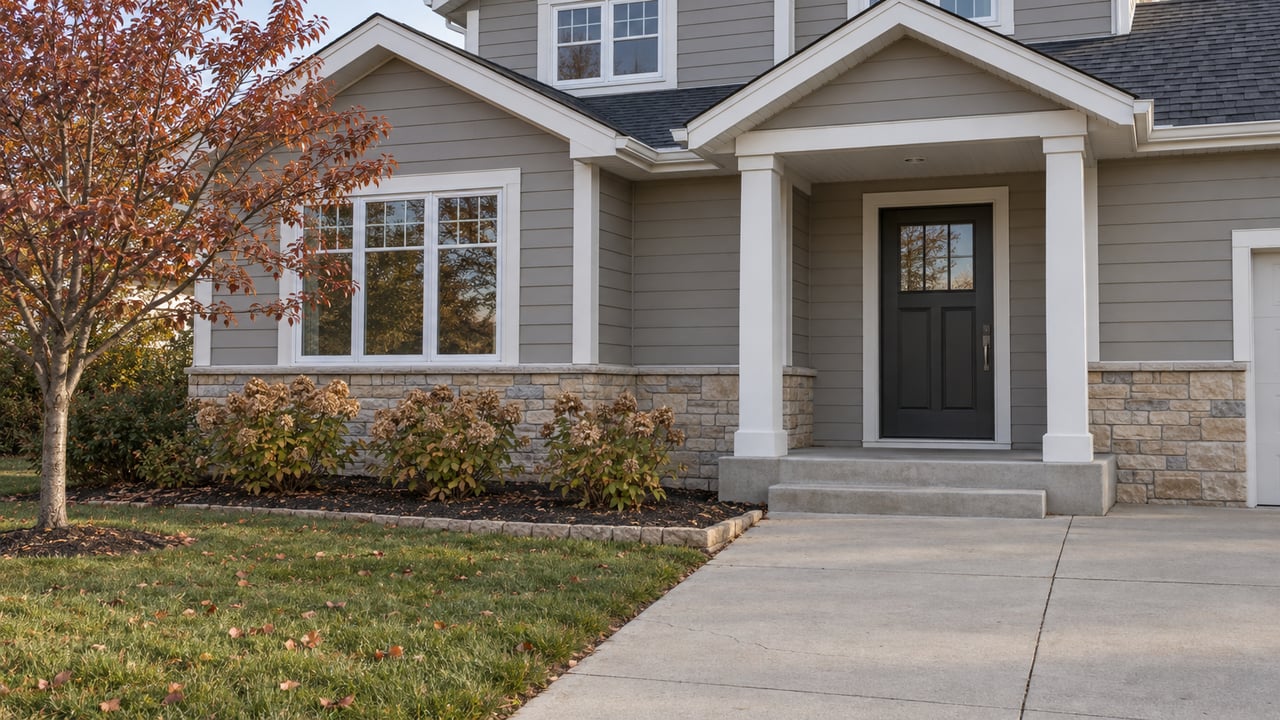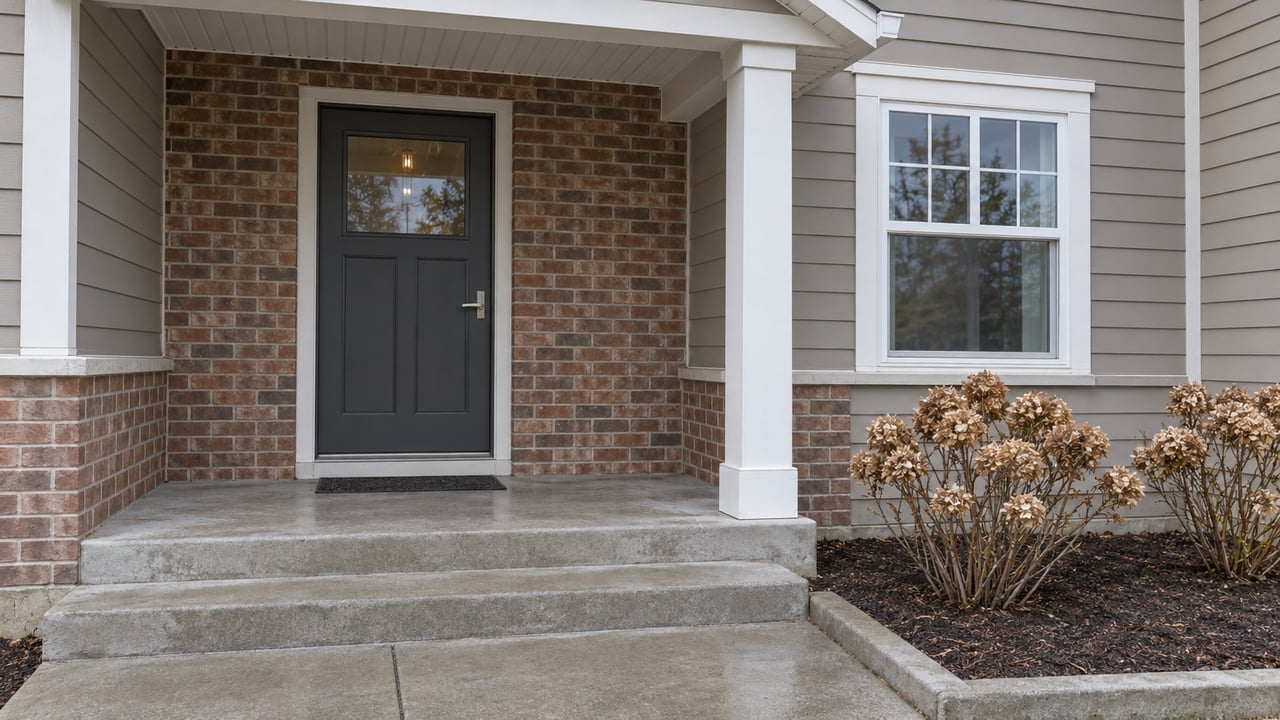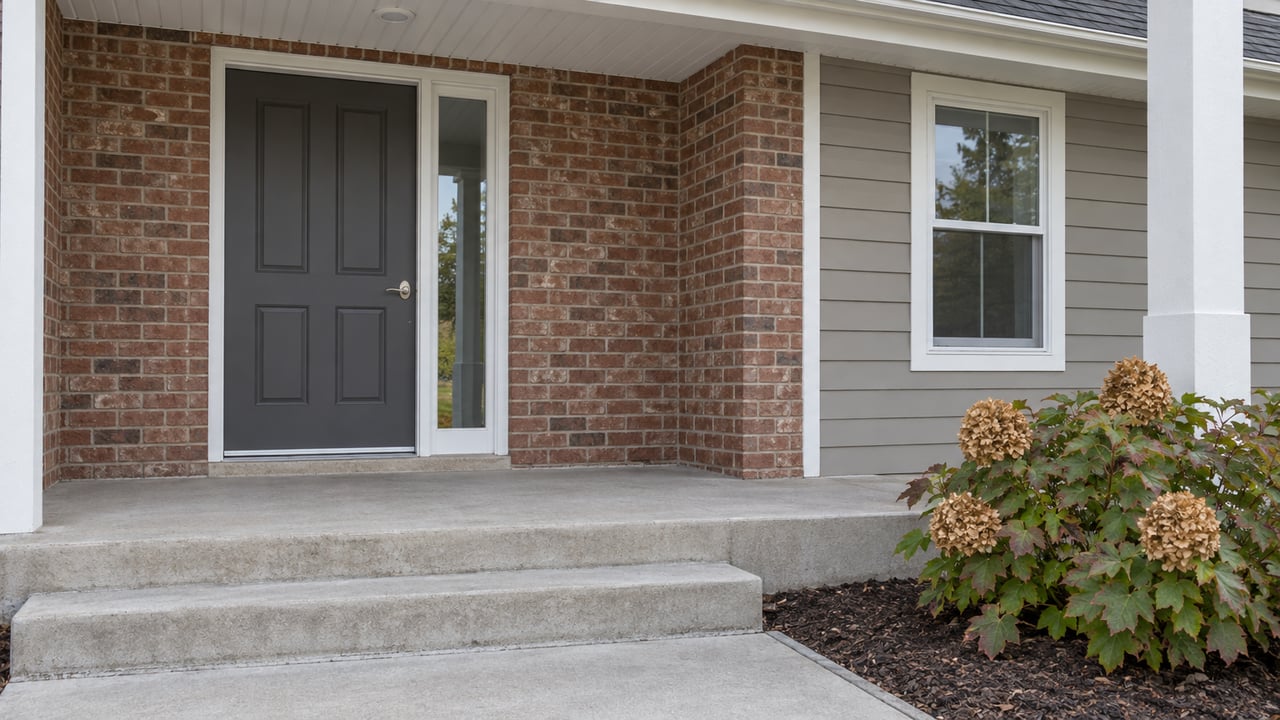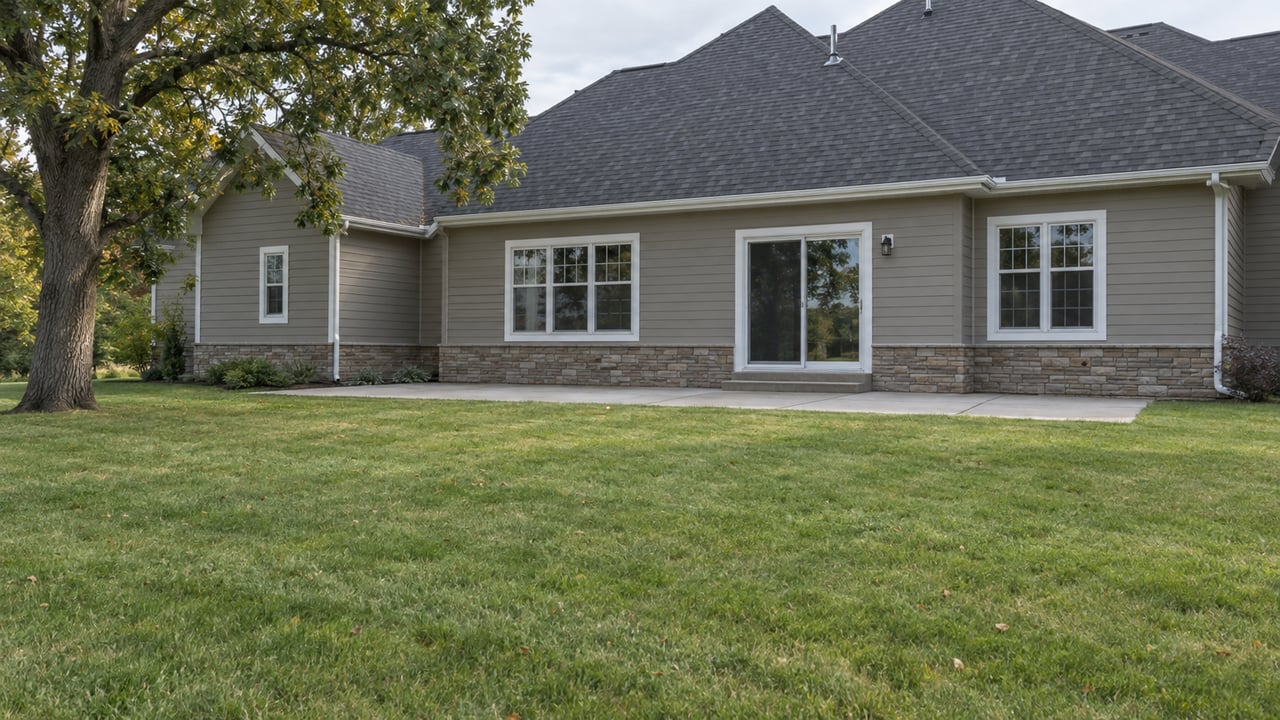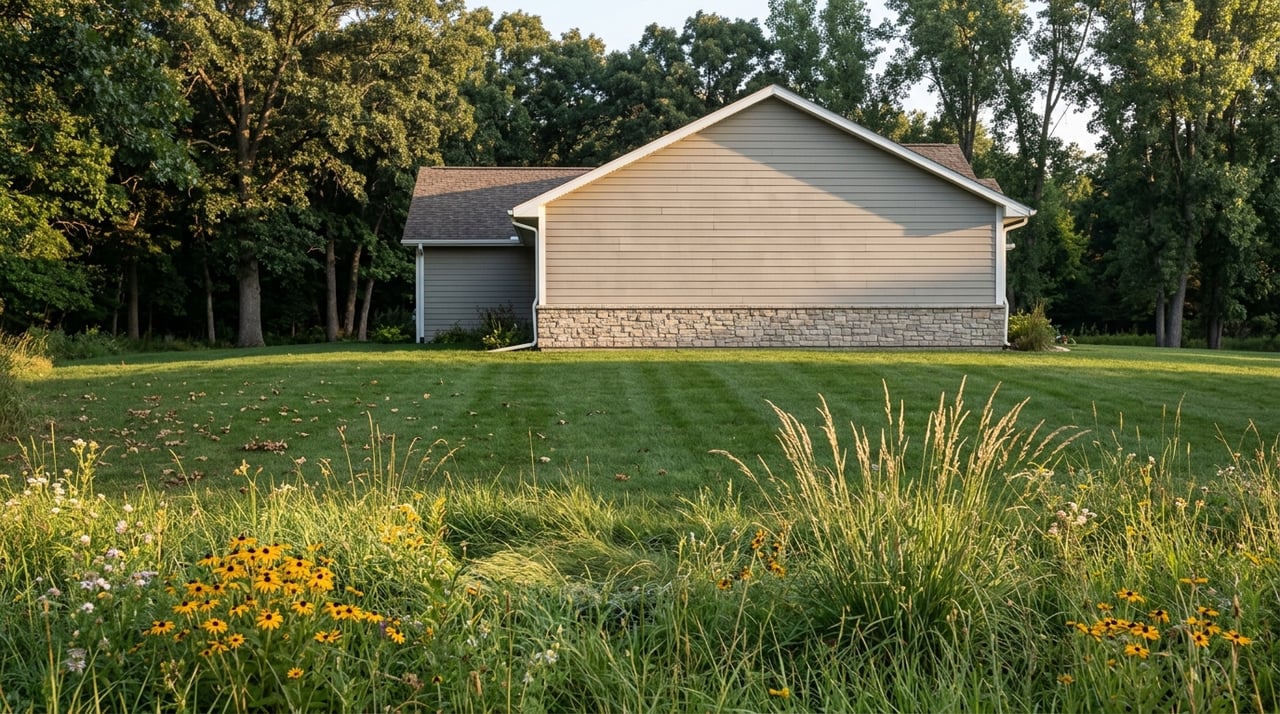
Pull up land listings near Adel right now and you'll find them sitting side by side, both filed under the same word. One is 156.45 acres south of Highway 6, described by the listing brokerage as income-producing farmland with long-term development potential. Another is a 5-acre wooded lot in the Van Meter school district with rural water and electric already run to the road, no house yet, no HOA. Both get called "acreage." Both show up when you search that word. And if you divide price by acres on each one, you'll get two numbers that don't belong in the same conversation.
That gap isn't a pricing mistake. It's the whole story, and almost nobody buying or selling small acreage near Adel has had it explained to them in plain terms.
The Same Search, Two Different Products
Active listings tracked near Adel put the average price for vacant land at roughly $36,966 per acre, based on 743 total acres currently for sale. Properties that pair a house with land average roughly $140,520 per acre, nearly four times higher. Meanwhile, actual recorded land sales across Dallas County land closer to $13,933 per acre on a median basis, and two dated transactions provide additional reference points: a Dallas County farm auction closed at $19,100 an acre in February 2026, and a 140-acre tract sold at $20,100 an acre in fall 2025.
| What's being priced | Rough $/acre | Basis |
|---|---|---|
| Vacant land listings, Adel area | $36,966 | 743 acres of active listings |
| Houses with land, Adel area | $140,520 | 33 active listings |
| Dallas County recorded land sales | $13,933 | 309 sold records, county median |
| Dallas County farm auction | $19,100 | Single tract, February 2026 |
| Dallas County farmland sale | $20,100 | 140-acre tract, fall 2025 |
Line those up and the pattern is obvious once you see it. Raw farmland trades in the high teens to low twenties per acre. Listings for land with a house and utilities are priced at multiples of that. And the "average" for vacant land listings sits in between, pulled upward by small buildable lots that get grouped in with genuine row-crop ground.
Why Dividing by Acres Lies to You
Here's the part that isn't obvious until you say it out loud: a well, a septic system, a driveway, and an electric drop to the road cost roughly the same whether you're building on 5 acres or 500. That bundle of fixed costs doesn't care how big your parcel is. But when you divide a fixed number by a small denominator, the result looks enormous. Divide it by a large one, and it nearly disappears.
That's exactly what's happening in the listings themselves. A 10-acre parcel marketed northwest of Adel specifically notes that utilities are available at the road, meaning a buyer still has to pay to bring service the rest of the way to a house pad. A 5-acre lot in the Van Meter district touts Xenia rural water and electric already at the road as a selling point. In both cases, the infrastructure, not the dirt, is what's actually being marketed and priced. Spread across 5 or 10 acres, that infrastructure cost shows up as a steep per-acre number. Spread across a 105-acre tract of tillable ground south of Adel on Meadow Road, the same kind of cost would barely move the average at all, because there's so much more acreage to divide it by.
So when a buyer looks at a $140,000-per-acre listing and assumes the land itself has appreciated to farmland-crushing levels, they're misreading the number. They're looking at infrastructure cost divided by a small lot, not soil value.
Adel's Own Twist: Proximity Adds a Second Premium
There's a second force at work that has nothing to do with wells or driveways. Land near a growing town carries a premium tied to what it might become, separate from what it currently produces. You can see it in the brokerage's own language: the 156.45-acre tract south of Highway 6 is marketed not just as farmland but explicitly as land within the growing city limits of Adel, with development potential called out as a selling point. A 20-acre parcel is marketed by its position, just west of Highway 169 and about a mile northwest of the I-80 Adel/DeSoto interchange, with the interstate access itself doing marketing work that soil quality never could.
That's a different kind of premium than the infrastructure math above. It's not about what's built on the parcel. It's about where the parcel sits relative to a town that's still expanding outward, and it can apply to raw ground just as easily as improved ground. Two identical 20-acre tracts with identical soil can carry different prices purely because one sits closer to the interchange or inside the path of Adel's growth and the other doesn't.
What This Means If You're Actually Shopping
The practical fix is simple: stop treating "price per acre" as a single, comparable metric and start asking what's actually driving the number on the listing in front of you.
If your goal is to build one house on a handful of acres, the $14,000 to $20,000 farmland benchmark is not your comp, and you shouldn't let a seller or your own instincts anchor to it. Your real comparison set is other small, buildable or improved parcels, and the number worth negotiating is total price plus what's left to install, not price per acre.
If you're eyeing a 40-plus acre tract with an eye toward building later or simply holding it, the row-crop numbers above are a reasonable anchor, and any premium above that should be traceable to something specific, like interstate access or inclusion inside city limits, not just the presence of the word "acreage" in the listing.
If you're selling a small improved acreage property, don't let a farmland comp talk your price down. Five wooded acres with a house and a working well aren't competing against 105 tillable acres on Meadow Road. They're competing against other five-to-ten-acre home sites, a much smaller and differently priced pool.
Before treating any per-acre figure as meaningful, it helps to ask:
- How many total acres does this listing actually cover?
- Is there an existing well, septic system, or utility connection, or will the buyer need to install one?
- Is the price built around the house and infrastructure, or around the raw ground?
- What's the realistic use: cropland, a future building site, or recreational ground?
One more detail worth knowing if you're buying acreage with an existing house: Iowa's Time of Transfer law requires a septic system inspection before the sale of any home served by a private system, and Dallas County's Environmental Health Department handles the private well permitting that often comes with these properties. It's a separate conversation from the pricing question above, but it's part of the same due diligence, and it catches people off guard when they've only been thinking about acres and dollars.
A Few Straight Answers
Does a higher price per acre always mean better land? No. It usually means less acreage is absorbing the same fixed costs, or that the parcel sits closer to where a town is growing. Neither has much to do with the soil underneath it.
Why do land search sites report such different averages for the same town? Because they're blending two products, raw farmland and improved home sites, into one category. The averages you see reflect whatever mix of listings happened to be active when the number was pulled, not a stable market price.
Is Dallas County farmland getting more expensive? Recorded sales have held in a fairly narrow band, with a February 2026 auction closing at $19,100 an acre and a fall 2025 sale at $20,100 an acre. That's a different question from what small buildable lots near Adel are listing for, which is driven by infrastructure and location rather than farm economics.
If you're weighing a specific acreage listing near Adel and the per-acre math isn't adding up, that's usually the sign to look closer, not to walk away. Adam Bugbee works with acreage and specialty property buyers across the Des Moines metro regularly, and can help you sort a fairly priced home site from an inflated one before you're the one negotiating against a number that doesn't actually mean what it looks like. Reach out through Adam Bugbee to talk through the parcel you're considering.
This article is general information, not legal, tax or financial advice. Consult a qualified professional about your situation.