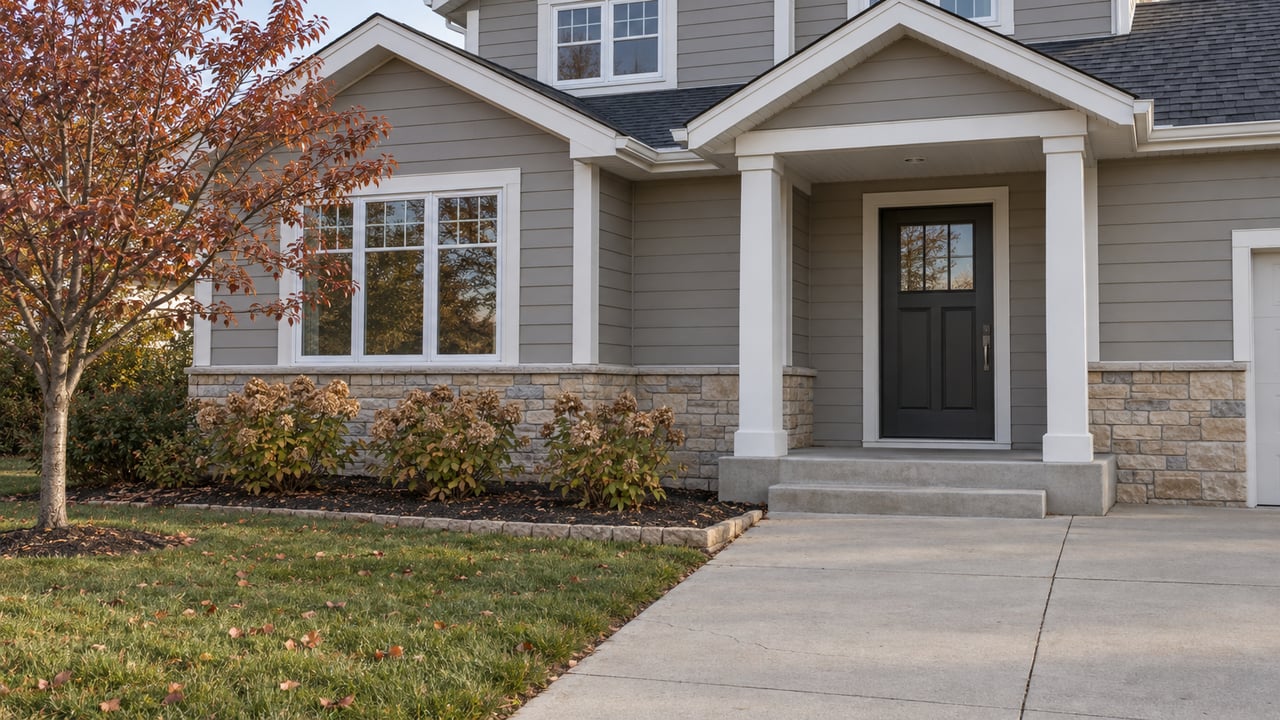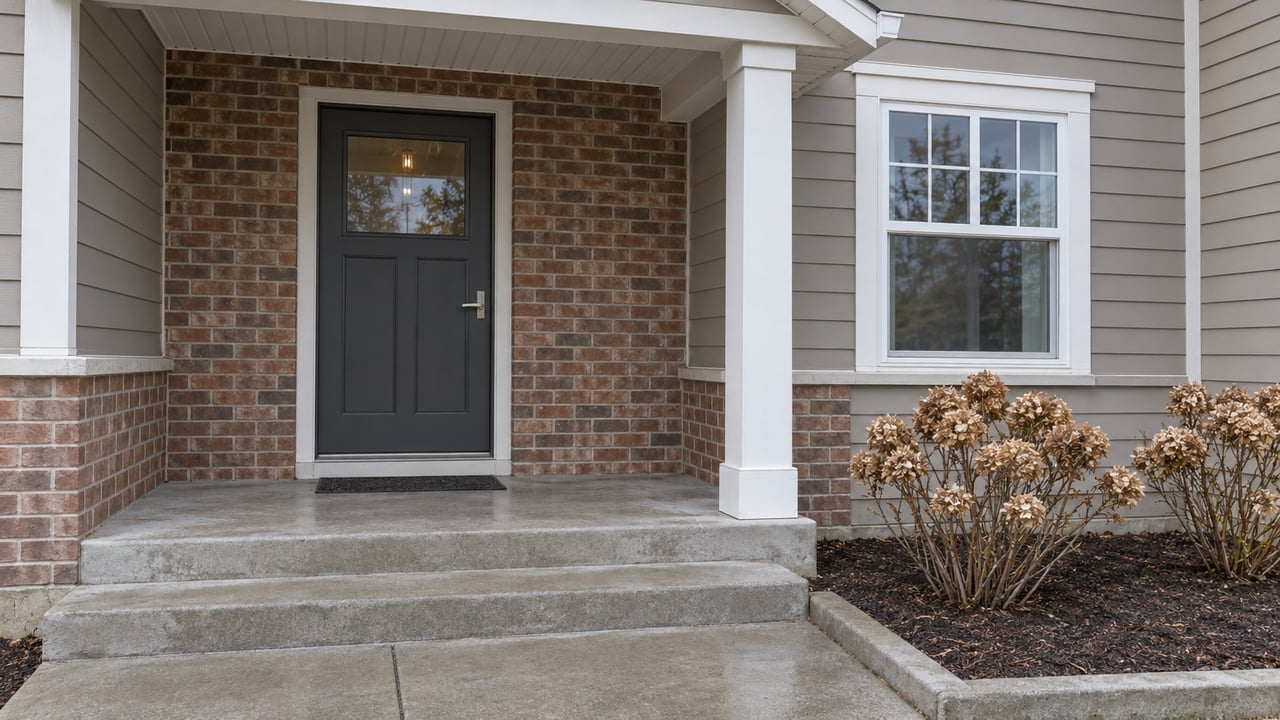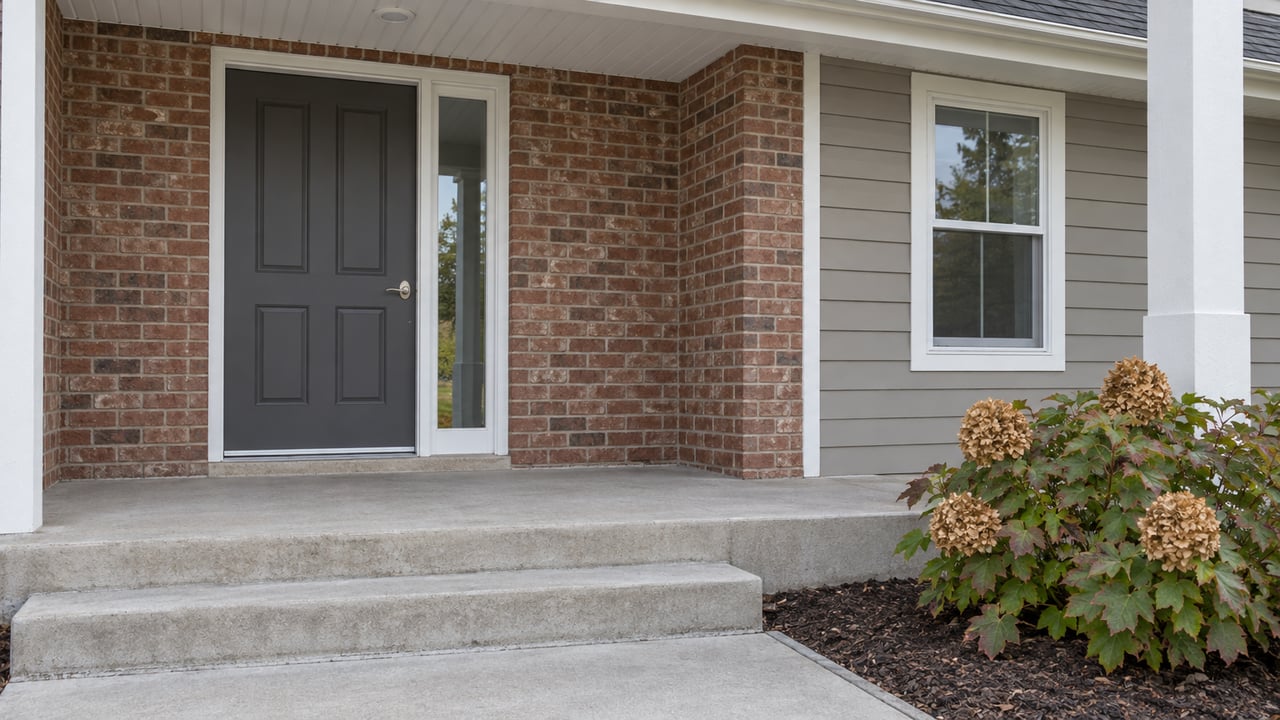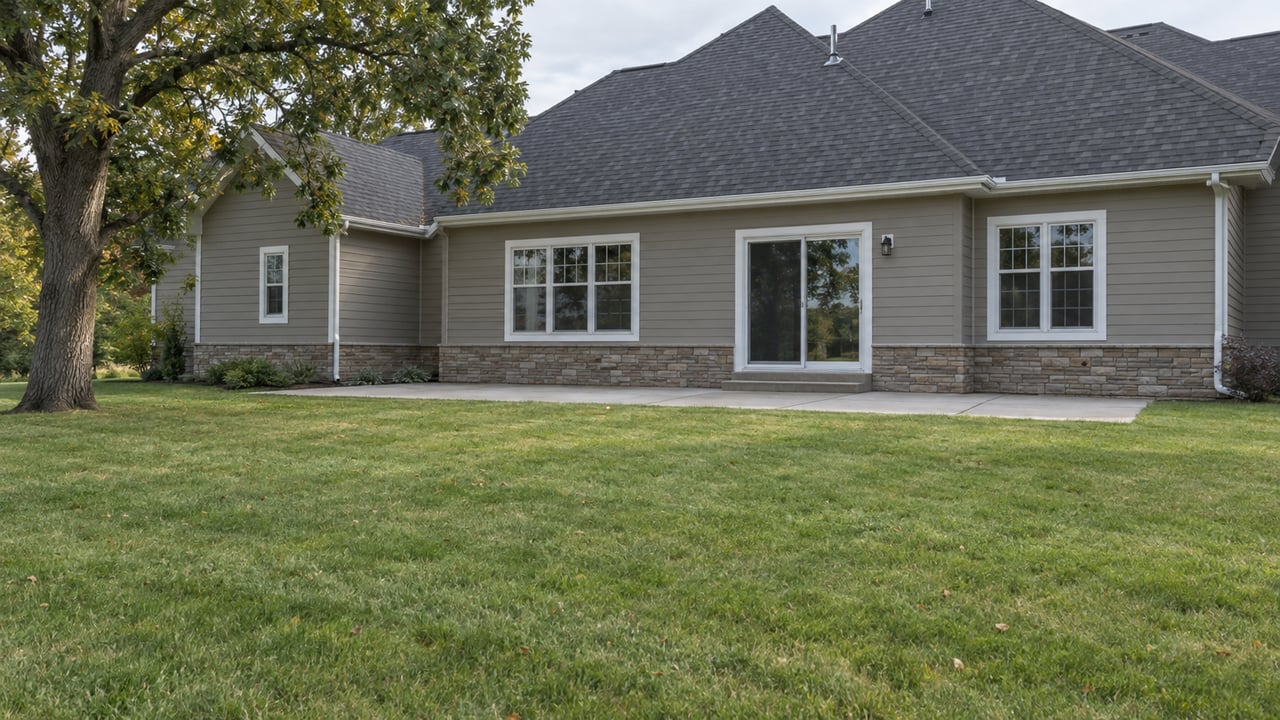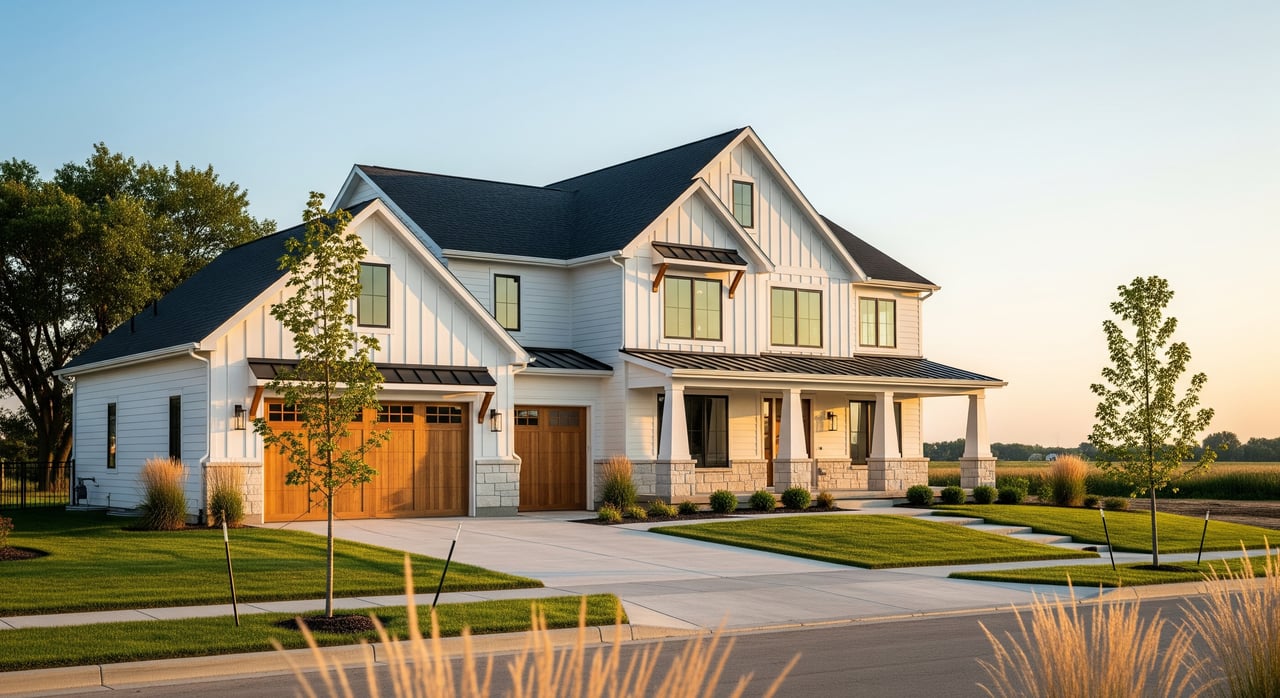
Thinking about building in Waukee but unsure where to start? You have great options, from quick‑move spec homes to fully custom designs, but the process can feel complex. You want clear steps, realistic timelines, and a plan that protects your budget and your move date. This guide breaks down how new construction works in Waukee so you can choose the right path with confidence and avoid common surprises. Let’s dive in.
Your three build paths in Waukee
Spec homes
Spec, or production, homes are built without a specific buyer. You tour completed or nearly finished homes, then choose one with finishes already installed. This is usually the fastest route to move‑in and often comes with more predictable pricing.
Pros:
- Fastest timeline to close
- Clear pricing with included finishes
- Less decision fatigue
Considerations:
- Limited customization
- Popular plans may sell quickly
Semi‑custom homes
With semi‑custom, you start from a builder’s plan and adjust limited features and finishes from a defined selection list. You get some personalization while staying within a structured process and cost controls.
Pros:
- Personalization without starting from scratch
- Moderate timelines
- Better price predictability than fully custom
Considerations:
- Change orders can add time and cost
- Options are limited to the builder’s catalog
Custom homes
A custom build gives you full design freedom with your chosen lot, plans, and materials. You gain the most control but also accept the longest timelines and greatest cost variability.
Pros:
- Maximum design flexibility
- Tailored to your needs and site
Considerations:
- Longest timeline
- Higher risk of delays and budget changes
- Appraisal risk if finishes exceed neighborhood norms
Quick comparison
- Speed: Spec is fastest, then semi‑custom, then custom.
- Price certainty: Spec is most predictable, then semi‑custom, then custom.
- Customization: Custom allows the most, then semi‑custom, then spec.
What to confirm with any builder
- Base price inclusions versus exclusions, such as appliances, landscaping, or driveway.
- Allowances and how change orders are priced, fixed price or cost plus.
- Warranty coverage and what is covered by the builder versus manufacturers.
The build process and timelines
Phase by phase timeline
Most builds follow similar stages. Durations vary by weather, material availability, and city inspections.
- Lot purchase and contract acceptance: 1 to 6 weeks
- Permitting and site prep: 2 to 8 weeks
- Foundation: 2 to 4 weeks
- Framing and exterior shell: 2 to 6 weeks
- Rough‑ins for electrical, plumbing, HVAC: 2 to 4 weeks
- Insulation and drywall: 2 to 4 weeks
- Interior finishes, trim, cabinets, flooring, paint: 4 to 8 weeks
- Final inspections, certificate of occupancy, and closing: 1 to 3 weeks
Total timelines by build type
- Spec homes already underway or finished: about 1 to 3 months to close
- Semi‑custom on an available lot: about 6 to 10 months from contract to move‑in
- Fully custom on an empty lot: about 9 to 18 months or more
Common delays and how to plan
Delays occur due to weather, permit revisions, supply chain timing for windows and countertops, requested changes mid‑build, or inspection rework. Build a time cushion into your move plan and consider short‑term housing options if needed. Ask the builder for a written milestone schedule and how delays are handled in the contract.
Picking a lot in Waukee
What to evaluate on a lot
- Orientation and sunlight, including backyard exposure
- Topography, drainage, grading, and any retaining wall needs
- Proximity to parks, trails, shopping, and highways
- Position within growth areas where future phases may bring temporary roads and construction activity
- Easements and setbacks that affect the buildable area and yard use
- Flood risk and stormwater considerations based on official maps and local elevation data
Local checks that help you verify details include city planning and building offices for plats and permits, the county recorder or assessor for recorded covenants and easements, the FEMA flood map service for floodplain status, Iowa One Call or 811 for utility locates before any digging, and the school district for attendance boundaries. These sources help you confirm facts that affect cost, daily life, and resale.
HOA and covenants to review
Many Waukee subdivisions record Covenants, Conditions, and Restrictions. Typical items include:
- Architectural review requirements for exterior materials and colors
- Rules for fencing, outbuildings, driveway materials, and accessory structures
- Landscaping standards and maintenance obligations
- HOA dues, reserves, late fees, and possible special assessments
- Temporary developer rights for model homes and signage during the sales phase
Key actions:
- Obtain and read the recorded CCRs before you sign a contract
- Request the HOA budget, current dues, and any planned special assessments
- Ask whether the community is still under developer control and which rules may change later
Permits, utilities, and fees
Permits and inspections
The City of Waukee issues building permits and conducts inspections at major stages, including foundation, framing, rough‑ins, and final. Builders usually handle filings, but you should confirm who pays permit fees and when. Ask for the expected inspection schedule and what happens if re‑inspection is required.
Utilities and connection costs
Plan for water and sewer tap fees within city service areas, or septic if not served. Stormwater requirements, electric and gas hookups, and cable or internet setup can add costs. Some subdivisions have driveway or curb cut rules. Clarify which fees are paid by you and which are paid by the builder at closing.
Public projects and access
Check for current or planned public works projects that could affect access, timing, or assessments near your lot. Also confirm whether the lot is inside city utility service areas and how that impacts your build plan and budget.
Warranties and walkthroughs
What typical warranties cover
Builders often provide a tiered structure, but you should always confirm in writing:
- One year for workmanship and materials covering cosmetic and non‑structural items
- Two years for systems like plumbing, electrical, and HVAC
- Ten years for major structural components
Manufacturer warranties for appliances, roofing, windows, and some mechanical systems may be separate. Ask when warranty coverage starts, how to submit requests, response timelines, and whether repairs are done by the builder or qualified contractors.
Independent inspections worth scheduling
City inspections check code compliance, but third‑party inspections help protect your investment. Consider:
- Pre‑foundation or footing inspection before concrete is poured
- Pre‑drywall or framing inspection before insulation and drywall
- Final inspection before closing
- An 11‑month warranty inspection to document items before the one‑year mark
An independent inspector provides a written report and helps you prioritize repairs within warranty windows.
Walkthroughs and punch lists
Standard walkthroughs include a pre‑drywall review to catch rough‑in issues, a final walkthrough to note cosmetic and functional items, and a warranty walk around month 11. Bring a checklist and a camera. Test windows, doors, switches, outlets, plumbing, and appliances. Document everything in writing with expected completion dates.
Budgeting and appraisal pitfalls
Costs buyers often underestimate
- Upgrades and allowances that exceed the base package
- Landscaping, sod or seed, fencing, and sometimes the driveway
- Window coverings, garage door openers, and mailbox installation
- Lot premiums and orientation premiums
- Utility tap fees, impact fees, permit fees, and HOA or escrow fees
- Moving and short‑term housing if timelines shift
Ask for itemized inclusions, upgrade pricing sheets, and sample specifications early. Get clarity on how allowances are priced and what happens if you pick items that cost more than the allowance.
How appraisals work with new builds
Appraisers rely on recent comparable sales in your neighborhood or similar areas. Over‑upgrading beyond the neighborhood standard may not appraise dollar for dollar, and unique custom features may not be fully supported by comps. New construction on a lot with unusual characteristics can also appraise lower.
Mitigation tips:
- Choose finishes aligned with neighborhood norms if resale value matters
- Provide the appraiser with plans, specifications, included features, and comparable sales
- Plan for appraisal contingencies and possible gap funding with your lender and builder
- Work with a builder and lender familiar with Waukee construction and appraisal practices
Financing your build
Mortgage paths by build type
- Finished or nearly finished spec home: a standard purchase mortgage usually applies
- Semi‑custom or custom with on‑site construction: a construction loan that converts to a permanent mortgage, often interest only during construction
- Builder incentives: some builders offer rate buydowns or closing cost help, but compare overall terms
Timing and disbursements
Construction loans are disbursed in stages as work is completed. Lenders may require periodic inspections and an appraisal based on plans and specifications showing the expected value at completion. Ask your lender to outline appraisal timing, disbursement schedules, and interest costs during construction so you can plan cash flow.
Buyer checklists you can use
Before you sign
- Read the recorded CCRs, plat, and HOA documents
- Confirm city utility availability and any tap or impact fees
- Verify lot grade and nearby public infrastructure or future phases
- Request itemized inclusions and exclusions, sample specifications, upgrade pricing, warranty documents, and a milestone build schedule
- Confirm the permitting process and who pays permit fees
- If using a construction loan, understand appraisal, draw schedules, inspections, interest, and conversion to a permanent mortgage
- Plan at least three independent inspections: pre‑foundation, pre‑drywall, and final
Pre‑closing walkthrough
- Check all doors and windows, including locks and glazing
- Test outlets and switches, including GFCI locations
- Run all plumbing fixtures and inspect for leaks or slow drains
- Test HVAC operation at the thermostat and registers
- Inspect cabinet, countertop, and appliance installation and function
- Review flooring and trim for gaps or scratches
- Confirm grading slopes away from the foundation and gutters are complete
11‑month warranty walk
- Note cosmetic touchups, caulking, grout, and door or trim adjustments
- Operate mechanical systems and look for leaks or unusual noises
- Document any settlement cracks around windows, doors, and floors
Next steps in Waukee
You have a clear picture of spec, semi‑custom, and custom paths, plus the timelines, costs, and inspections that matter most. The best next step is to match your move date, budget, and design goals to the right builder and lot, then lock in a contract with realistic expectations and protections. If you want local guidance through plan choices, upgrade strategy, appraisal prep, and walkthroughs, connect with Adam Bugbee for hands‑on new‑construction help across Waukee and the Des Moines metro.
FAQs
What is the fastest way to move into new construction in Waukee?
- A spec home that is finished or nearly finished is typically the fastest, often closing in about 1 to 3 months.
How long does a semi‑custom build usually take in Waukee?
- Expect roughly 6 to 10 months from contract to move‑in, depending on weather, materials, inspections, and change orders.
What should I look for in Waukee subdivision covenants and HOAs?
- Review architectural rules, fencing and exterior standards, landscaping requirements, dues, reserves, and any planned special assessments.
Do I still need inspections if the city inspects the home?
- Yes, third‑party inspections at pre‑foundation, pre‑drywall, and final stages can catch items that city code inspections may not cover.
Why do some new builds appraise low and how can I avoid it?
- Over‑upgrading beyond neighborhood norms or adding unique features can outpace comps, so align selections with the area and share plans and specs with the appraiser and lender.
What costs are often missing from a base price quote?
- Common extras include higher‑end finishes beyond allowances, landscaping and fencing, window coverings, utility tap fees, and permit or HOA fees.