What does daily life feel like in a fast-growing suburb where trails, new schools, and live music are minutes from home? If you are weighing a move to Waukee, you probably want a clear picture of costs, commute, schools, and how your days will flow. This guide walks you through a typical day, plus key facts on housing and growth so you can decide with confidence. Let’s dive in.
Waukee at a glance
Waukee is one of the Des Moines metro’s fastest-growing suburbs. The City’s Special Census reported 31,823 residents in 2024, and U.S. Census QuickFacts estimated about 34,420 residents as of July 1, 2024. You will see slight differences across sources due to timing and methodology. You can review the city’s count on the Special Census page and broader metrics on QuickFacts.
- Population snapshot: See the city’s Special Census 2024 update on the City of Waukee page.
- Income and commute: QuickFacts shows a median household income near the low $100,000s and a mean commute time around 19 to 20 minutes for workers 16 and older. Check the latest American Community Survey tables on U.S. Census QuickFacts.
- Schools: Waukee Community School District serves roughly 13,000 to 14,000 students and has been adding facilities to match enrollment growth. See an overview on Public School Review.
Waukee’s growth shows up in real ways. The Kettlestone corridor continues to add shopping, dining, and mixed-use spaces, and the historic downtown Triangle is seeing renewed attention. Get a sense of these shifts in this Axios update on Kettlestone and downtown and the city’s approved civic campus project covered by KCCI.
A day in Waukee
Morning: schools, coffee, and kid-friendly stops
Your morning likely starts with school drop-off. The district has opened new buildings in recent years, which shapes start times and traffic near campuses. If you have little ones, you will find story times and events at the public library, and expanded pediatric and urgent care options nearby. Recent growth in medical services includes a new multi-specialty site from UnityPoint Health.
Midday: parks, trails, and errands
Parks and trails thread through Waukee, so it is easy to fit in a stroller walk, a quick run, or a family bike ride. The city lists about 25 miles of local trails and connects to the regional Raccoon River Valley Trail, which many cyclists use for long weekend loops. Explore the network on the City of Waukee trails page.
You will run most errands along Hickman Road, Alice’s Road and Grand Prairie Parkway, and University Avenue. As new retail opens in the Kettlestone area and along University, your choices for groceries, coffee, and services keep expanding.
Evenings and weekends: music, movies, and events
Waukee has become a go-to for live shows and nights out. The Vibrant Music Hall brings touring acts to town, and local cinemas like The Palms Theatres & IMAX screen the newest releases. In warmer months, the historic Triangle hosts community events and a seasonal farmers market. Winter brings traditions like WinterFest, which lights up the heart of town.
Getting around
Most residents drive. The mean travel time to work is about 19 to 20 minutes based on recent ACS data, but your time will vary by destination and time of day. You can confirm the most current commute figures on U.S. Census QuickFacts.
Public transit is limited. DART focuses service in and around Polk County’s core, with much sparser fixed-route options in far-west suburbs. If you need bus service, check plans and updates on DART’s planning page and confirm current park-and-ride or on-demand offerings.
Road projects continue to improve access. Work around Alice’s Road and I-80, plus University Avenue improvements, helps ease travel between Waukee, West Des Moines, and the interstate. As with any growing suburb, expect short construction zones and school peak-hour congestion.
Practical rule of thumb: if you work in downtown Des Moines, budget roughly 20 to 35 minutes each way, depending on your exact office location and when you leave.
Housing and cost considerations
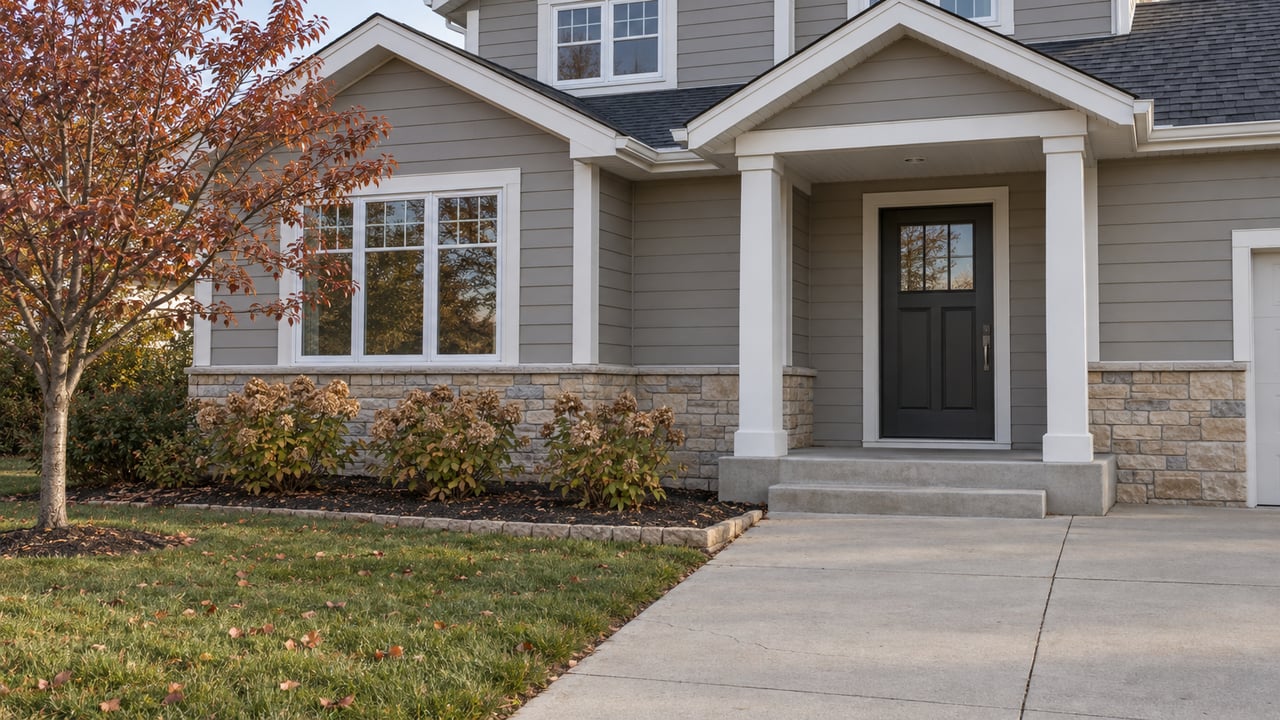
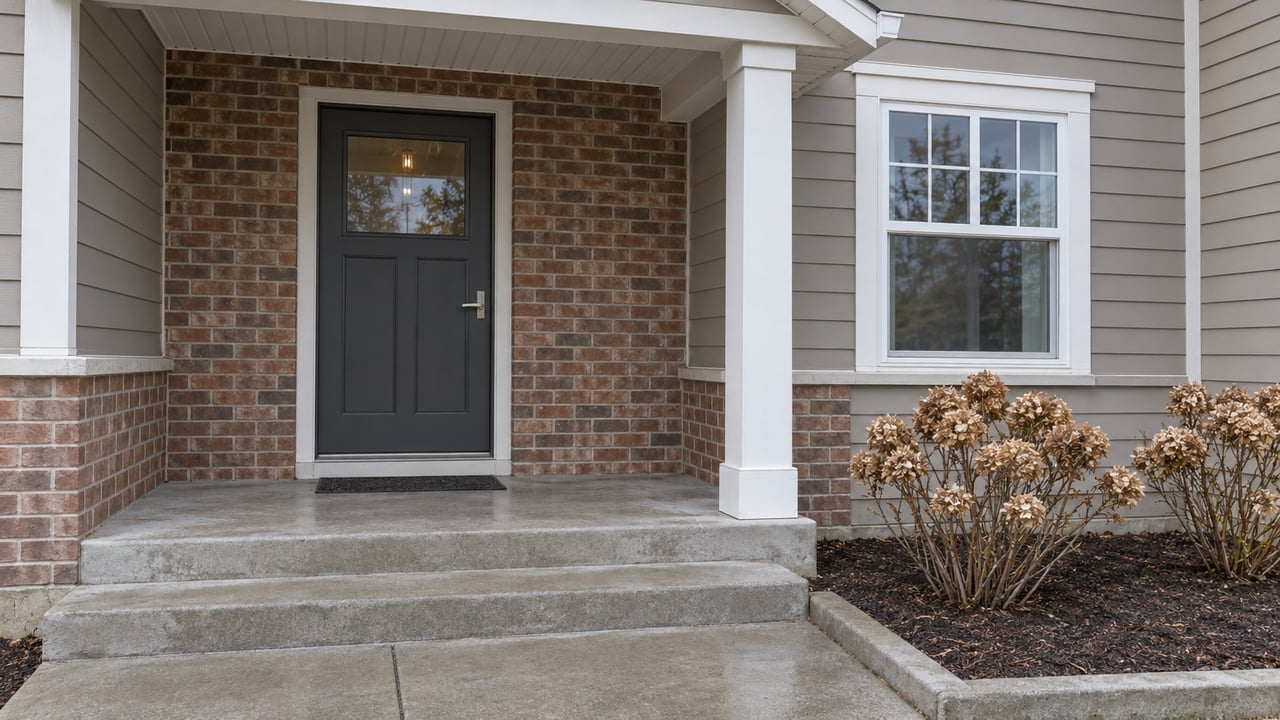
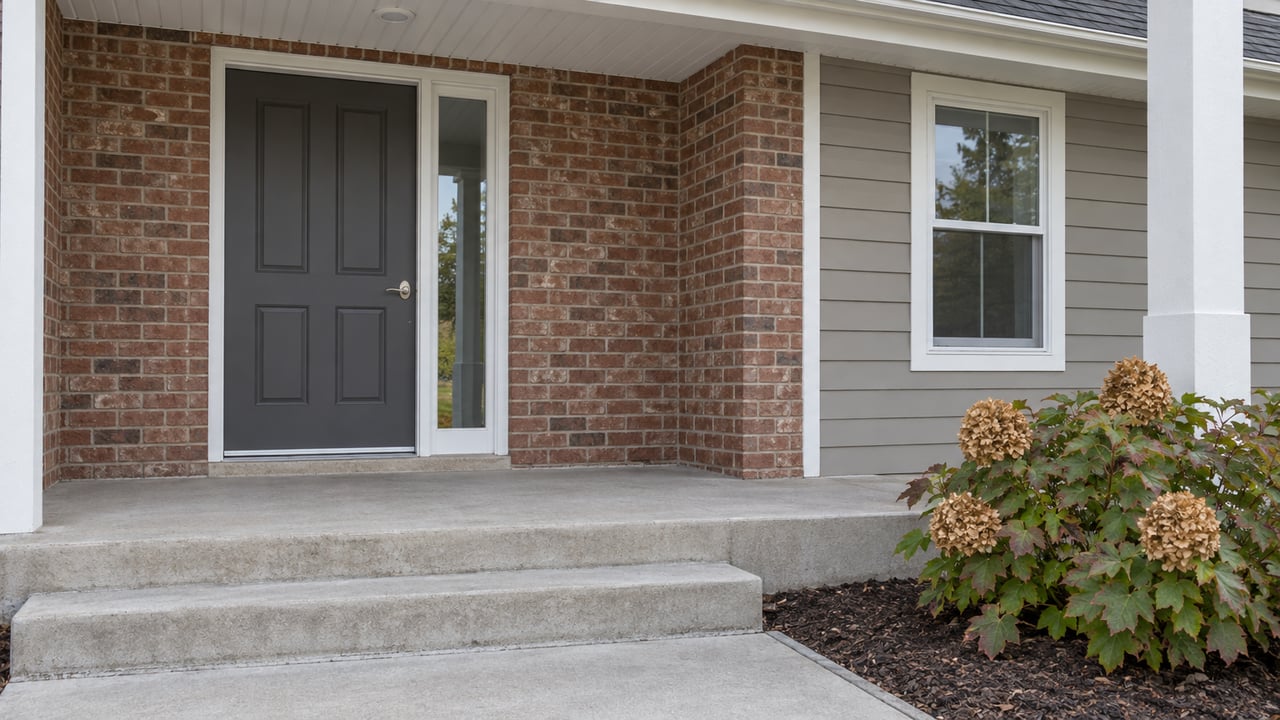
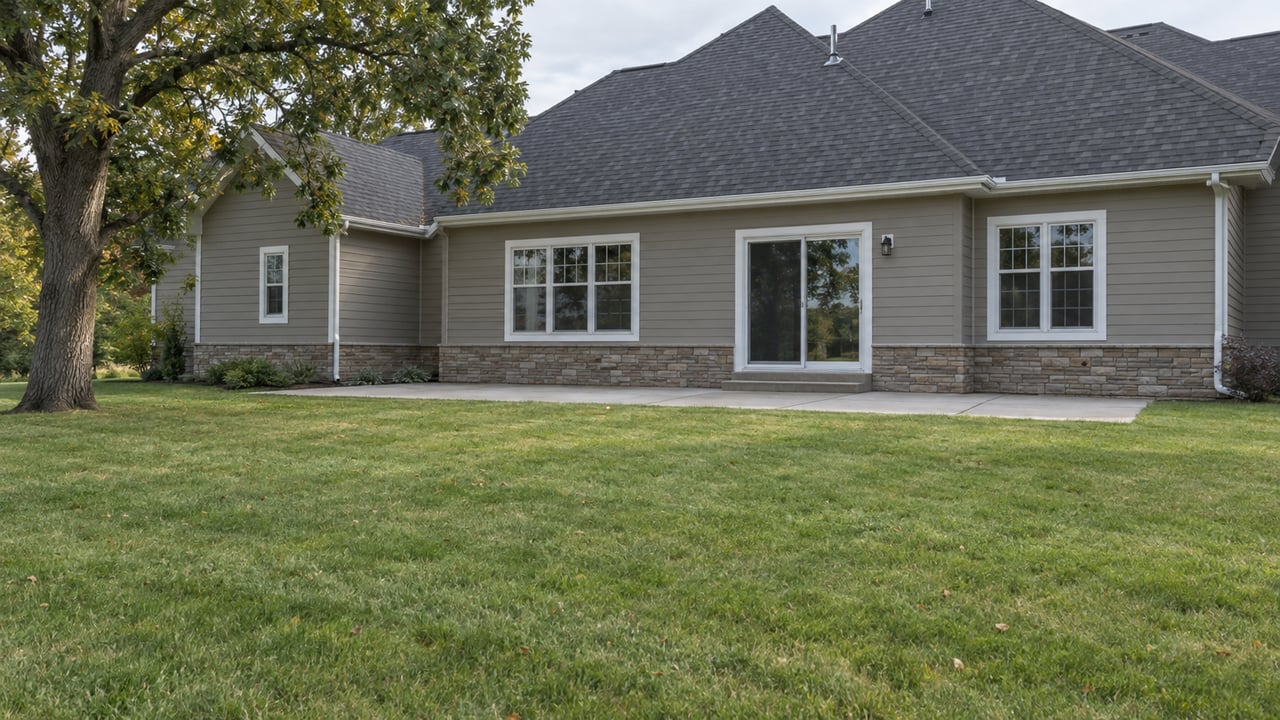
Waukee’s housing stock leans newer. You will see many single-family homes, townhomes, and apartments in master-planned areas, plus mixed-use buildings near Kettlestone. Closer to the historic Triangle, older homes add character and can offer different price points. The mix supports a range of buyers who want space, newer finishes, and convenient amenities. For a sense of how development is evolving, review this Axios look at Kettlestone and downtown Waukee.
On pricing, different trackers show different numbers. As of January 2026, Redfin reported a median sale around the mid $300,000s, while other measures like Zillow’s ZHVI often read lower and active listing medians can read higher. A simple way to read the market is this: expect a typical recent median in the mid $300,000s, with meaningful variation by neighborhood, lot size, school feeder, and product type. Always check a fresh snapshot when you are ready to shop.
Affordability is a real topic as growth continues. Local coverage notes that higher-end builds have led the way, and the city has taken steps to enable smaller lots and encourage more affordable options. For context on those pressures and policy moves, see this Axios report on Waukee’s growth and affordability.
Who Waukee fits well
- Families who value schools and youth activities. The district has been one of Iowa’s fastest-growing, with significant facility investments to serve students. That growth tends to draw families looking for newer neighborhoods with parks and recreation close by. You can read a district overview on Public School Review.
- Commuters and suburban professionals. If you split time between office and home, the quick interstate access and short average commute make scheduling easier. See the latest commute data on QuickFacts.
- Movers who want entertainment and convenience nearby. The rise of Kettlestone, live music, and stronger medical and retail options means you can stay closer to home for many evenings and weekends. Browse upcoming acts at Vibrant Music Hall and note expanded care at UnityPoint Health’s Waukee site.
Neighborhood and lifestyle snapshots
- Kettlestone corridor. Modern mixed-use living with apartments, townhomes, and new retail. Great if you like newer construction and walkable pockets for errands and dining. See the broader development context in Axios coverage.
- Family-focused subdivisions. Areas like Glynn Village and Windfield are known for neighborhood parks, trails, and convenient access to schools. Many master-planned communities include amenities like pools or clubhouses.
- Historic Triangle area. Near the gazebo and seasonal farmers market, you will find older homes with unique character, plus quick access to community events and local spots.
No matter where you land, the trail system ties many neighborhoods together. Map your favorite loops on the City of Waukee trails page to see how easily you can move between parks and pocket retail.
Tips for exploring Waukee before you buy
- Test the commute. Drive your route to work at your typical start and end times. Confirm your real travel time against the averages on QuickFacts.
- Walk the trails. Visit a few trailheads and parks near the neighborhoods you like. The city trails map helps you plan a short loop.
- Track school news. In a growing district, boundaries and facilities can change. Review district updates and board agendas before you finalize a location.
- Watch the event calendar. Check out a show at Vibrant Music Hall or visit WinterFest to get a feel for community energy. See details on WinterFest.
- Review growth projects. Read about Kettlestone and the new civic campus so you know where future retail and recreation may cluster. Start with Axios and KCCI.
When you are ready to compare neighborhoods, floor plans, or new construction options, you do not have to do it alone. Work with a local guide who can line up tours, explain builder differences, and watch for value as new releases hit the market. If you need to sell first, ask about a convenient Guaranteed Cash Offer to simplify the timeline. To plan your move with a calm, step-by-step approach, connect with Adam Bugbee for local guidance, new-construction know-how, and responsive service.
FAQs
What should I know about the cost of living in Waukee?
- Home prices often center in the mid $300,000s based on recent sale snapshots, with wide variation by neighborhood, age, and home type. Plan a fresh market check when you start shopping.
Is Waukee walkable, or do I need a car?
- Most residents drive. Transit is limited, and the mean commute time of about 19 to 20 minutes reflects a car-first setup. Check DART’s plans and any local park-and-ride options if you rely on buses.
How long is the commute from Waukee to downtown Des Moines?
- A practical range is 20 to 35 minutes each way, depending on time of day and your exact office location. The metro’s average for Waukee residents sits near 19 to 20 minutes based on recent ACS data.
What are schools like in the Waukee Community School District?
- The district serves roughly 13,000 to 14,000 students and has added new facilities to keep up with enrollment. Families should monitor boundary and capacity announcements as growth continues.
What parks and trails will I use most in Waukee?
- Many residents use neighborhood parks plus city trails that connect to the Raccoon River Valley Trail. Start with the city’s trail overview to plan daily loops and weekend rides.
What projects are shaping Waukee’s future?
- Two big influences are the mixed-use growth along Kettlestone and the new civic campus. These projects concentrate shopping, dining, services, and public amenities in accessible hubs.